
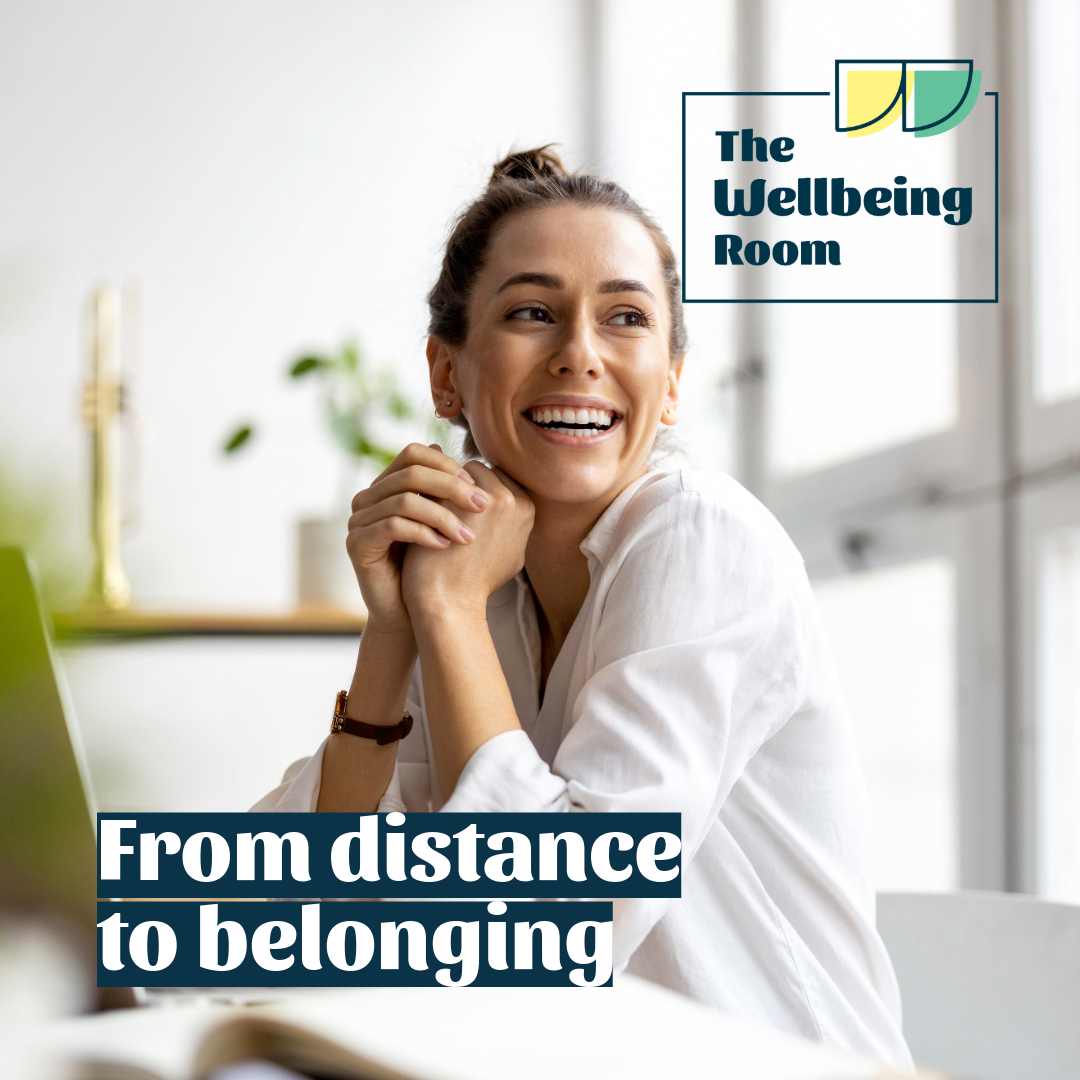
From Distance to Belonging: Why Prioritising Remote Staff Wellbeing Matters More Than Ever.
Remote and hybrid working are no longer temporary solutions — they’re the new landscape of modern business. And while flexibility has brought huge benefits, it’s also created a quieter, more invisible challenge: the wellbeing gap.
For many employees, working from home means freedom… but it can also mean isolation. Disconnection. A slow erosion of team culture. The kind of loneliness that doesn’t always show up on a screen.
As leaders and businesses, we can’t afford to ignore this. Because distance doesn’t just impact morale — it impacts performance, retention, creativity, and long-term organisational health.
The Hidden Costs of Disconnection
Remote staff often experience:
Reduced sense of belonging
Lower engagement
Fewer opportunities for informal connection
Blurring of work-life boundaries
Increased stress and decision fatigue
And the biggest issue?
These things build up quietly. You rarely see them until they show up as burnout, resignation, or a drop in team cohesion.
Wellbeing Isn’t a “Nice-to-Have” — It’s a Business Strategy
Companies who prioritise wellbeing in remote teams consistently report:
Higher productivity
Stronger collaboration
Improved retention
Better problem-solving
More positive team culture
Why?
Because when people feel seen, valued, and supported, they show up differently. They’re more engaged, more creative, and more committed to the organisation’s success.
Belonging is the foundation of performance.
Creating Belonging in Remote Teams
Belonging doesn’t happen by accident — it happens through intentional practices.
Here are some proven strategies:
1. Make wellbeing part of the structure, not an add-on.
Regular sessions, workshops, and guided wellbeing pauses help teams reset, reconnect, and reduce stress.
2. Create space for human connection, not just work updates.
Check-ins, icebreakers, peer support circles and wellbeing-led meetings build culture, trust, and psychological safety.
3. Support managers to support their teams.
Frontline leaders often feel the pressure most. Equip them with practical wellbeing tools that make real impact.
4. Offer accessible wellbeing support for all staff.
Remote workers need different resources — ones they can use wherever they are.
5. Encourage boundaries and healthy routines.
Helping people switch off is just as important as helping them switch on.
What Belonging Really Feels Like
It’s the difference between an employee feeling like they’re working for you…
and feeling like they’re working with you.
It’s the shift from:
❌ “I’m on my own here.”
to
✔️ “I’m part of something.”
When a remote team feels genuinely connected and supported, everything changes — communication improves, stress reduces, and people feel proud to be part of the organisation.
**This Is Why We Created The Wellbeing Room
A dedicated space for remote teams to:**
✨ Connect
✨ Reset
✨ Strengthen wellbeing
✨ Build belonging
Through guided wellbeing sessions, reflective exercises, and team-building practices, we help companies move their teams from distance to belonging — no matter where in the world they work.
If your organisation is ready to support happier, healthier, more connected staff, we’d love to chat.
💛 Let’s build a workplace where everyone feels like they belong.
Send us a message or visit thewellbeingroom.co.uk to learn more.